
Understanding the Dangers of Paraquat Poisoning

Research Background
Paraquat is a widely used herbicide, particularly in agriculture, due to its effectiveness in controlling a broad spectrum of weeds. However, its appeal is overshadowed by a stark reality; paraquat poisoning poses severe risks to human health. Understanding the gravity of this issue requires delving into its scientific underpinnings and historical context.
Paraquat works through a unique mechanism, inducing oxidative stress, which ultimately devastates cellular structures. It was first introduced in the 1960s and rapidly gained popularity. Over the decades, several studies have documented its toxic effects. Research has pointed towards its direct correlation with respiratory issues and pulmonary fibrosis upon exposure. The history of paraquat involves both technological advancements in agriculture and significant regulatory scrutiny as health concerns have escalated.
Overview of the Scientific Problem Addressed
The rapid increase in paraquat's application in various countries has led to a spike in reported poisoning cases. Its acute toxicity presents challenges not just in the agricultural sector but also in public health, especially in regions where safety protocols are lax. Numerous studies have focused on its health implications, showcasing a clear link between paraquat exposure and grievous health outcomes.
Historical Context and Previous Studies
Historical data reveals a troubling trend. For example, in 2017, the World Health Organization placed paraquat on a list of hazardous substances to human health. Past studies, such as those by the National Institutes of Health, have emphasized that paraquat not only damages the lungs but is also linked to neurological issues, echoing a broader concern about chemical exposure. Understanding these findings is essential for developing better prevention strategies and informing public health policies.
Findings and Discussion
Key Results of the Research
Recent studies highlight alarming statistics. For instance, a meta-analysis indicated that individuals exposed to paraquat had a 59% higher risk of developing lung disease compared to the general population. Additionally, multiple case reports have documented paraquat's lethal potential, particularly in instances of accidental ingestion. The findings show the urgent need for strict regulations and safety measures surrounding its use.
Interpretation of the Findings
The implications of paraquat poisoning extend far beyond acute symptoms. The long-term health consequences are staggering, especially for agricultural workers who may regularly encounter this toxic herbicide. As such, prioritizing education on safe handling procedures and emergency response strategies can mitigate some risks. In light of these findings, it’s clear that a multifaceted approach is necessary—one that involves researchers, healthcare providers, and regulatory bodies working together.
"The high toxicity of paraquat makes it a double-edged sword; while effective as an herbicide, it harbors repercussions that resonate through communities and ecosystems."
In summary, this exploration of paraquat poisoning emphasizes the intricate relationship between agriculture, chemical exposure, and health. The conversation around paraquat must shift to not only address its immediate dangers but also cultivate awareness and solutions for a sustainable future.
Intro to Paraquat
Paraquat, a widely used herbicide, continues to garner attention due to its lethal toxicity and extensive application in agriculture. Understanding the intricacies of this chemical is paramount, not just for professionals involved in agriculture or health care, but also for researchers exploring its effects on human health and the environment. By digging into Paraquat, we dive into the intricacies of its chemical makeup, the history behind its development, as well as its contemporary implications.
Chemical Composition and Properties
Paraquat, chemically known as 1,1'-dimethyl-4,4'-bipyridinium dichloride, is characterized by its distinctive two-ring bipyridine structure. Its ionic form allows it to be easily absorbed by plants, consequently making it an effective herbicide. It is important to highlight that this compound is non-selective, meaning it will affect all green plant life, ultimately leading to significant agricultural benefits, yet raises alarms due to its toxicity to mammals. The chemical properties of Paraquat make it highly soluble in water, which can pose a higher risk of environmental contamination.
Paraquat’s properties also lay the foundation for its successful use in weed management, as it can rapidly penetrate plant tissues. However, when ingested or inhaled by humans or animals, the same properties that enhance its efficacy in killing plants turn it into a weapon of danger. The rapid action of Paraquat, initiating cellular damage and triggering a cascade of reactive oxygen species, underlines the need for comprehensive understanding, especially in agricultural settings.
Historical Context and Development
The history of Paraquat traces back to the 1960s when it was introduced as a powerful herbicide. Initially hailed as a wonder chemical, it quickly gained popularity for its effectiveness in controlling weeds in agricultural fields. However, the dark side of this chemical became apparent as numerous cases of poisoning were reported. Leading to significant legal and ethical discussions, the use of Paraquat in various countries has been scrutinized and regulated differently.
The early development focused primarily on its efficiency, with less emphasis on safety and health repercussions. As adverse effects were documented, public awareness grew, leading to a rift between agricultural communities reliant on its effectiveness and health advocates urging for safer alternatives. While many countries have restricted or banned Paraquat, it remains in use in various parts of the globe, raising ongoing debates about its necessity versus its risks. The history of Paraquat is a compelling narrative, reflecting broader societal struggles with chemical agriculture, health implications, and regulatory frameworks.
Understanding the chemical composition and historical backdrop of Paraquat provides a critical foundation for comprehending its toxic mechanisms and associated risks. It's evident that this topic is not just about the chemical itself but also holds broader implications for health, legislation, and environmental stewardship.
"Knowledge is power, and in the case of Paraquat, it is a matter of life and death."
For further reading and insights on chemical safety, resources such as the National Institute for Occupational Safety and Health and Environmental Protection Agency provide valuable information.
Mechanism of Toxicity
Understanding the mechanism of toxicity in paraquat poisoning is fundamental not only for healthcare professionals but also for researchers and policymakers. This section delves into how paraquat disrupts cellular processes and leads to severe health issues. The knowledge gathered here assists in developing effective treatment protocols and prevention strategies. An insight into these mechanisms sheds light on why timely intervention is critical following exposure.
Cellular Uptake and Distribution
Paraquat's toxic effects commence with its absorption at the cellular level. Once introduced into the body—whether through ingestion, inhalation, or dermal contact—paraquat is rapidly transported to various organs. This uptake primarily occurs through transport proteins found within cell membranes. These proteins facilitate the entry of paraquat into cells, especially in the lungs and kidneys, where the concentration amplifies. This uptake is often facilitated by its structural similarity to dopamine, making cells mistake paraquat for nutrients, leading to unintentional absorption.
Once inside the cells, paraquat is known to distribute preferentially to organs that are highly metabolically active. This explains the acute damage seen in lung tissues, as the lungs receive a significant portion of the total system circulation. The ability of cells to uptake paraquat can be likened to a Trojan horse, allowing the toxic compound to infiltrate and wreak havoc from within, ultimately generating consequences that can prove deadly.
Reactive Oxygen Species and Cellular Damage
Following cellular uptake, paraquat initiates a cascade of events marked by the generation of reactive oxygen species (ROS). This occurs via redox cycling, where paraquat undergoes oxidation and reduction within the cell. The cycle leads to the production of superoxide anions, which are harmful byproducts that cause oxidative stress.
Oxidative stress results from an imbalance between ROS and the body's ability to detoxify these reactive products. This imbalance inflicts damage on crucial cellular components—lipids, proteins, and DNA—thereby disrupting normal cellular function. The resultant damage can lead to cell death, signaling pathways that promote inflammation, and faulty cellular repair processes. Research indicates that the release of these ROS is a primary contributor to the rapid onset of acute toxicity, creating a dire health scenario that necessitates immediate medical attention.
Pathophysiological Effects on Organs
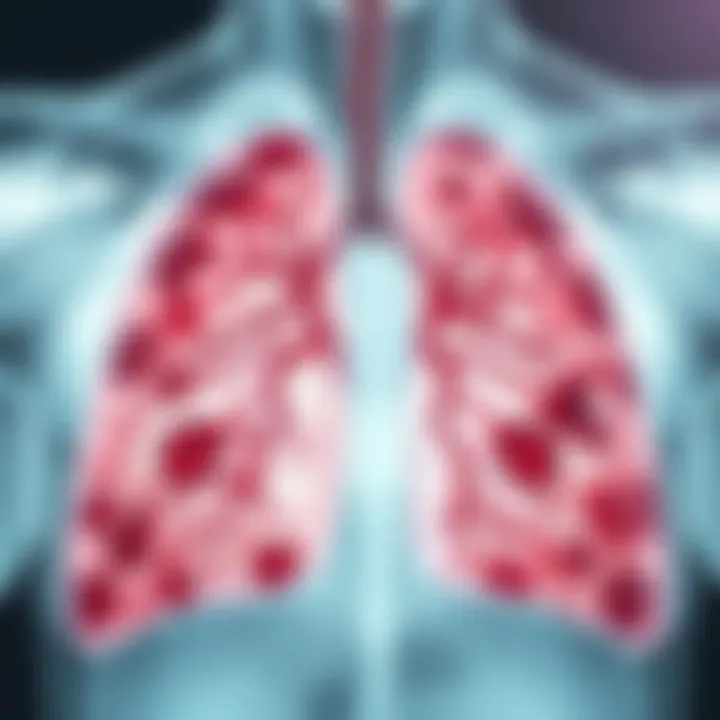
The impact of paraquat on various organs is both profound and multifaceted. The lungs are primarily affected, leading to a condition called pulmonary fibrosis, which stems from oxidative damage and inflammation. Patients may exhibit symptoms such as dyspnea and coughing, conditions that can escalate to respiratory failure in severe cases.
Kidneys are another major battleground for paraquat's toxic effects. The nephrotoxic potential of paraquat manifests through its cumulative accumulation, which can lead to acute kidney injury. This organ is vital for filtering toxins, and when compromised, the body's ability to regulate electrolytes and waste products is severely jeopardized.
The liver, although less directly affected than others, can also exhibit signs of strain due to the body's attempts to detoxify paraquat. Hepatic dysfunction may arise, highlighting the compound’s extensive reach beyond the immediate sites of absorption.
Paraquat poisoning illustrated the stark reality of chemical exposure: its repercussions can ripple through multiple organ systems, underscoring the necessity for prompt recognition and intervention.
In summary, the mechanisms that underpin the toxicity of paraquat extend beyond mere exposure. The complexities of cellular uptake, subsequent production of reactive oxygen species, and the wide-ranging pathophysiological effects necessitate a comprehensive understanding for effective management of paraquat exposure. As research continues to evolve, so does our capability to craft better treatment methodologies and prevention strategies tailored to mitigate the risks associated with this hazardous chemical.
Clinical Manifestations
Understanding the clinical manifestations of paraquat poisoning is fundamental to grasping the repercussions of this potent herbicide. By recognizing the symptoms that arise from acute exposure as well as the long-term health effects, medical professionals can better manage patient care and educate the public on its dangers. The clinical manifestations serve as critical markers for the diagnosis and treatment of exposure, guiding interventions that can be lifesaving.
Acute Symptoms Following Exposure
Acute exposure to paraquat manifests quite dramatically. Initially, after ingestion or inhalation, a series of symptoms can surface rapidly. Affected individuals may experience:
- Oral and throat irritation: This often includes stinging sensations, leading to difficulty swallowing and talking; it’s a clear sign that the poison has made its way into the digestive tract.
- Gastrointestinal disturbances: Symptoms such as nausea, vomiting, and severe abdominal pain can arise shortly after exposure. These symptoms are not just uncomfortable; they may lead to more serious complications like perforation of the gastrointestinal tract.
- Respiratory distress: Exposure through inhalation can lead to coughing, shortness of breath, and chest pain. As alveolar damage progresses, pulmonary edema may develop, which can be life-threatening if not managed swiftly.
- Neurological symptoms: Headaches, dizziness, and confusion can be observed during the early stage of poisoning. These symptoms can further develop into more severe manifestations, including seizures or loss of consciousness.
Recognizing these acute symptoms is essential for healthcare professionals. Timely and accurate diagnosis can drastically improve treatment outcomes. For instance, early referral to specialized medical units can enhance the chances of survival.
"Prompt recognition of acute symptoms not only informs effective management but may also be the key to saving lives."
Chronic Health Effects
The long-term ramifications of paraquat exposure often slip under the radar, yet they can be equally severe. Individuals who survive acute exposure may face a variety of chronic health complications that can significantly impair quality of life. Among these chronic effects are:
- Pulmonary fibrosis: One of the most concerning long-term effects, this condition results from ongoing damage to lung tissue, leading to persistent breathing difficulties and reduced lung function. Studies reveal that many individuals experience a gradual decline in respiratory capability, bringing further complications.
- Kidney dysfunction: Over time, exposure to paraquat can disrupt normal kidney function, leading to easy fatigue, swelling in the legs, and high blood pressure. These changes may not be immediately apparent and can develop insidiously.
- Neurological issues: Some studies point toward possible neurotoxicity associated with paraquat. Survivors might experience cognitive impairments, including memory loss and decreased motor skills, affecting daily life.
- Psychological effects: The trauma from exposure, coupled with ongoing health concerns, may lead to psychological distress such as anxiety and depression.
It’s worth highlighting that these chronic health effects may not surface until years after the initial exposure, emphasizing the importance of ongoing monitoring for affected individuals. While acute manifestations demand immediate attention, understanding long-term effects is equally vital for creating comprehensive patient care strategies.
Diagnosis of Paraquat Poisoning
Diagnosing paraquat poisoning poses unique challenges and necessitates a careful approach within clinical practice. Accurate diagnosis is crucial, as time is often of the essence when navigating the complexities of toxicity presentations. Clinicians must strike a balance between detailed patient history and timely intervention, given the rapid onset of paraquat's harmful effects. Identifying symptoms early can significantly influence treatment outcomes and overall patient care, making a thorough understanding of clinical evaluation and supporting laboratory tests essential.
Clinical Evaluation and History Taking
Gathering a detailed patient history is the bedrock of any clinical diagnosis, and this is even more pronounced in cases of suspected paraquat poisoning. A healthcare provider needs to dive into the specifics of the patient's exposure, which includes:
- Duration and timing of exposure: When did the exposure occur? Was it acute, or has it been long-term?
- Methods of exposure: Did the patient inhale, ingest, or come into dermal contact with paraquat?
- Circumstances surrounding exposure: Was this accidental or intentional? This detail is key in understanding the urgency of intervention.
- Previous health issues: It's important to consider any preexisting conditions that might exacerbate the toxic effects of paraquat.
An astute clinician will not only inquire about these factors but also assess symptoms, which can range from gastrointestinal distress to respiratory complications. Common initial complaints include:
- Nausea and vomiting
- Abdominal pain
- Shortness of breath
As symptoms evolve, particularly affecting the pulmonary system, the clinician needs to be on high alert as delayed presentation can lead to grave outcomes.
Diagnostic Laboratory Tests
Following initial evaluation, a battery of diagnostic tests can provide clarity on the extent of poisoning. Key laboratory tests include:
- Serum Paraquat Levels: Measuring the concentration of paraquat in the blood can provide crucial insight; however, timing matters greatly. Typically, elevated levels within 24 hours post-exposure are considered critical, as levels rise sharply with toxic effects.
- Arterial Blood Gases (ABGs): Assessing the blood’s oxygenary status could reveal respiratory distress or failure, which is often evident with significant paraquat exposure.
- Liver and Kidney Function Tests: Since paraquat can lead to multi-organ failure, monitoring hepatic and renal function is critical. Elevated liver enzymes and altered serum creatinine levels can indicate severe damage.
Through a combination of thorough clinical evaluation and timely laboratory assessments, healthcare providers can establish a diagnosis of paraquat poisoning, leading towards effective management. If you find yourself in need of related medical guidance or case studies, exploring reviwed resources, such as PubMed or CDC can provide greater insights into the ever-evolving field of toxicology.
Without swift and precise diagnosis, the consequences of paraquat poisoning could shift from treatable to tragic.


Management and Treatment
The management and treatment of paraquat poisoning are crucial components in addressing this serious health issue. The nature of paraquat as a highly toxic herbicide means that early and appropriate intervention can significantly influence outcomes for individuals exposed to this substance. Understanding the various strategies for managing poisoning episodes not only aids in immediate response but also contributes to long-term recovery and rehabilitation. This section will explore the initial resuscitation efforts, the antidotal treatments available, and the essential follow-up care required for affected individuals.
Initial Resuscitation and Supportive Care
Right off the bat, the first step in treating paraquat poisoning revolves around initial resuscitation. This is fundamentally about stabilizing the patient’s condition. Upon arrival at a medical facility, healthcare providers must assess the patient’s vital signs and ensure they have a clear airway, adequate breathing, and circulation.
In the case of severe respiratory distress, supplemental oxygen may be necessary, along with more advanced interventions such as intubation, depending on the severity of the respiratory failure. Stabilization often includes intravenous fluid administration, which is critical in managing shock and maintaining kidney function - a concern given the nephrotoxic nature of paraquat.
- Key considerations for initial management include:
- Assessment of the level of consciousness.
- Airway management, especially if ingestion was the route of exposure.
- Use of oxygen therapy to mitigate hypoxic damage.
- Administering fluids to counteract dehydration and support renal function.
Ultimately, these initial measures set the stage for further treatment. The sooner a patient receives supportive care, the better the prognosis can become, making swift action a necessity in these cases.
Specific Antidote and Treatment Protocols
Currently, effective antidotes specifically targeting paraquat are limited. However, early administration of activated charcoal can help reduce gastrointestinal absorption if ingestion is recent. The timing of this intervention is crucial; within the first hour, it can substantially decrease the overall poison load.
Another avenue explored in specific treatment protocols involves the use of antioxidants. While not a direct antidote to paraquat, substances like N-acetylcysteine may be employed to combat oxidative stress in the body. Research continues to examine various pharmacological interventions, although definitive protocols are still under evaluation. Every case will warrant a tailored approach based on the level of exposure and the presenting symptoms.
- Important elements of management include:
- Activated charcoal within 1 hour post-ingestion to minimize absorption.
- N-acetylcysteine as a potential adjunct treatment to mitigate oxidative damage.
- Ongoing monitoring of renal function, as acute kidney injury is a common sequela of paraquat toxicity.
The lack of a standardized antidote emphasizes the importance of immediate medical attention, where hydration and supportive care take precedence in stabilizing the patient.
Long-Term Follow-up and Rehabilitation
Once the acute phase of paraquat poisoning is managed, attention shifts toward long-term follow-up and rehabilitation. Individuals who have survived severe poisoning can experience lasting health effects, including pulmonary fibrosis and renal impairment. Hence, ongoing monitoring is essential to manage chronic symptoms effectively.
Patients should undergo regular medical evaluations to assess organ function, especially renal and respiratory systems. This may include pulmonary function tests and renal imaging studies to track any evolving complications. Rehabilitation efforts often involve multidisciplinary approaches, including:
- Nutritional counseling to support overall health.
- Physical therapy to regain strength, especially in cases where respiratory capacity has been compromised.
- Psychological support, as coping with the aftermath of near-fatal poisoning can also be taxing on mental health.
"Early intervention not only saves lives but can also dramatically alter the trajectory of recovery in paraquat poisoning cases."
Exploring these long-term management strategies will not only assist in the physical recovery of the patient but also in adapting to any lifestyle changes necessitated by their ordeal. By understanding these aspects of management and treatment, healthcare providers can offer tailored support to those affected, ensuring a holistic approach to recovery.
Epidemiology and Risk Factors
Understanding the epidemiology and risk factors associated with paraquat poisoning is crucial for several reasons. Primarily, it allows for the identification of trends and patterns in exposure, which is necessary for developing targeted prevention strategies. Knowing who is at risk can help inform public health initiatives and facilitate education on safe practices around herbicide use. Moreover, recognizing vulnerable populations can also drive regulatory changes and more stringent safety measures.
Global Incidence of Paraquat Poisoning
The global incidence of paraquat poisoning presents a worrying picture. Studies reflect a staggering prevalence, particularly in agricultural regions where paraquat is heavily used. According to recent data, countries like India, Brazil, and several Southeast Asian nations report alarming rates of exposure and fatalities linked to this herbicide. In a year, thousands of acute poisoning cases are documented, with numerous incidents resulting in severe health consequences or death.
Factors contributing to this high incidence include:
- Wide availability: In many low and middle-income countries, paraquat is readily accessible to farmers without strict regulations.
- Lack of education: Many agricultural workers may not fully understand the risks of paraquat and lack proper training on its safe handling.
- Socioeconomic elements: Individuals might resort to using paraquat in times of despair or economic hardship, leading to intentional overdoses.
"Understanding the patterns of paraquat poisoning can be pivotal in reversing the trends of this toxic herbicide's use."
Vulnerable Populations
Certain groups are incredibly vulnerable to the dangers of paraquat poisoning. Identifying these populations is essential for tailoring prevention and treatment efforts. Vulnerable groups include:
- Farm Workers: Individuals working in agriculture often face acute exposure due to the nature of their job. They may lack necessary protective equipment and might not receive adequate training about handling hazardous substances.
- Children: Young children living in rural areas may inadvertently ingest or come into contact with paraquat. Their developing systems are more susceptible to the herbicide’s harmful effects.
- Mentally Ill Individuals: In some cases, these individuals may engage in intentional self-harm using paraquat, viewing it as a means to escape from their problems. This misuse underlines the need for mental health support and accessible resources.
- Low-Income Communities: Residents in areas with limited access to healthcare and education are at heightened risk. Economic constraints can lead to unsafe practices related to herbicide use.
Addressing the needs of these groups is vital for effective public health responses and regulatory action. By enhancing education and awareness, as well as implementing strict regulations around paraquat, we can mitigate the risks these vulnerable populations face.


Legal and Regulatory Aspects
When discussing paraquat poisoning, it’s crucial to consider the legal and regulatory aspects surrounding the herbicide's use. This area encompasses the guidelines and laws designed to mitigate risks associated with paraquat application, greatly influencing public health and environmental safety. The importance of regulation cannot be overstated; it serves as a framework that not only protects farm workers and consumers but also contributes to broader ecological wellness.
Adhering to legal standards ensures that users are trained properly to handle paraquat, reducing instances of accidental exposure. Moreover, regulations often include provisions for safe storage and disposal, minimizing environmental contamination.
Regulation of Paraquat Use Worldwide
The regulatory landscape for paraquat varies significantly from one country to another. In several nations, strict guidelines limit or entirely ban its usage due to the associated health hazards. For instance, regions like the European Union have taken a firm stand against paraquat, citing its high toxicity levels, while many developing countries continue to utilize it extensively, mainly due to its effectiveness in agriculture and lack of viable alternatives.
Countries that do allow paraquat have established specific protocols governing its application. These typically encompass:
- Mandatory Safety Training: Ensuring handlers understand the risks and proper safety measures.
- Labeling Requirements: Clear instructions on the safe application, including protective gear needed during use.
- Reporting Obligations: User compliance with public health departments for monitoring incidents of poisoning and exposure.
Through these regulations, countries aim to balance agricultural productivity with health concerns, striving to minimize the risks posed to humans and the environment while still benefiting from paraquat as a herbicide.
Environmental Concerns and Initiatives
Environmental considerations play a significant role in the regulatory discussion surrounding paraquat. The herbicide's high toxicity to non-target species raises alarms about its impact on biodiverse ecosystems. Notably, paraquat can contaminate soil and water resources, leading to long-term ecological challenges. Consequently, there have been significant initiatives aimed at addressing these environmental repercussions.
Some initiatives in place include:
- Research Funding: Investments in studies to evaluate the long-term effects of paraquat on different ecosystems.
- Bioremediation Projects: Employing biological organisms to detoxify contaminated sites, providing a safer alternative to chemical cleanup.
- Sustainable Agriculture Practices: Encouraging farmers to adopt integrated pest management techniques that reduce reliance on toxic herbicides, fostering a healthier environment.
These initiatives are essential not just for mitigating the adverse effects of paraquat but also for promoting healthier agricultural practices that can sustain food production without devastating the ecosystem.
"Precaution is better than cure; regulations help prevent what efforts may fail to remedy later on."
As we navigate the complexities of paraquat use, keeping these legal frameworks and environmental initiatives at the forefront of the conversation is vital. They represent our commitment to ensuring safe practices while addressing serious health and environmental challenges.
Prevention Strategies
Preventing paraquat poisoning is crucial, not just for the health of individuals, but for entire communities. This section will delve into effective strategies that can significantly reduce risks associated with this highly toxic herbicide. Adopting rigorous prevention tactics can minimize incidence rates, ensuring safety in agricultural sectors and safeguarding public health.
Reducing Exposure in Agricultural Settings
When considering prevention in agriculture, focus on minimizing exposure to paraquat for farmers and workers. Implementing safety protocols and using protective gear is essential. Here are several steps to consider:
- Safety Training: Equip workers with knowledge about the hazards of paraquat and how to handle it safely. This includes understanding first aid measures and spill response.
- Personal Protective Equipment (PPE): Require the use of gloves, masks, goggles, and protective clothing while handling paraquat products. PPE acts as a barrier against potential exposure.
- Application Techniques: Employ advanced application methods, such as precision spraying, that limit the amount of paraquat released into the environment.
- Restricted Access Areas: Designate certain areas where paraquat can be used and ensure these zones are clearly marked and off-limits to untrained personnel.
- Proper Storage: Store paraquat in well-marked, secure locations away from living quarters and food supplies. Regular inspections can help identify and rectify any safety issues promptly.
By taking these steps, agricultural settings can significantly curtail the risk of paraquat poisoning. Every layer of prevention contributes to a culture of safety that resonates throughout farming practices.
Public Awareness and Education Programs
Awareness is a powerful tool in preventing paraquat poisoning. Education initiatives can inform communities about the dangers of this chemical herbicide, transforming knowledge into preventive action. Here are approaches to consider for effective education programs:
- Community Workshops: Conduct workshops that engage local farmers and residents, explaining paraquat’s risks and safe usage practices.
- Educational Materials: Distribute brochures, pamphlets, and infographics that simplify complex information about paraquat, including symptoms of poisoning and emergency contacts.
- Partnerships with Local Authorities: Collaborate with governmental and non-profit organizations focused on public health to disseminate information widely, utilizing their platforms for greater reach.
- Online Campaigns: Use digital platforms for awareness campaigns. Social media can amplify the message, making it accessible to a broader audience.
- School Programs: Integrate agricultural safety into educational curricula, teaching younger generations the importance of safe practices around chemicals like paraquat.
Through these public awareness initiatives, communities can foster a greater understanding of paraquat's hazards, driving collective action towards a safer future. It’s all about creating an informed populace that values their health and the environment.
The Ends and Future Directions
The study of paraquat poisoning underscores the critical intersection of chemistry, medicine, and environmental science. Paraquat, while effective as a herbicide, has revealed its unsettling potential for harm, prompting a wave of research and policy discussions. The importance of examining paraquat’s implications cannot be understated, as it offers not just a glimpse into the consequences of chemical exposure, but also highlights a broader narrative on agricultural practices and human health.
Reflections on Current Research
Recent studies continue to shed light on the complexities of paraquat’s toxicological profile. For instance, research has shown that paraquat’s mechanism is not solely dependent on reactive oxygen species but involves intricate pathways that engage various cellular functions. New methodologies—such as high-throughput screening for toxicity—combine biological and chemical approaches to provide deeper insights. This evolving landscape is fostering collaboration among toxicologists, healthcare professionals, and environmentalists, creating a multifaceted dialogue that paves the way for improved safety protocols.
"Understanding the nuances of paraquat's interaction with biological systems could be instrumental in shaping future regulations and preventive measures."
Moreover, the rise of studies investigating mitigating factors—for instance, exploring potential nutritional interventions or protective agents—may lead to breakthroughs in managing exposure risks. Keeping abreast of these developments is essential for stakeholders across the board, including policymakers who might consider whether current regulations are adequate.
Emerging Trends in Toxicology
As research into paraquat progresses, several emerging trends in toxicology warrant attention. A notable trend is the increasing integration of big data analytics. Researchers are harnessing vast datasets to better understand the epidemiology of poisoning cases, which allows for more accurate risk assessments and support for public health initiatives. The use of machine learning in predicting outcomes of exposure and developing personalized treatment protocols is particularly promising. This not only enhances our understanding but may also reshape clinical management strategies.
In addition, environmental toxicology is advancing with a focus on how long-term exposure to pesticides like paraquat impacts ecosystems. As we better understand this relationship, there is growing pressure to refine agricultural practices that minimize chemical use, and maximize sustainability. Overall, the conversation is shifting from merely identifying toxic effects of paraquat towards advocating for environmentally sound practices that protect public health.
As we move forward, the research surrounding paraquat poisoning will continue to evolve, driving forward the need for education and advocacy. Engaging with emerging science, understanding regulatory frameworks, and advancing public health initiatives will be key. Investors in this field—be it researchers, policy advocates, or health professionals—must remain vigilant, as the consequences of inaction could be dire.